Book Ends: A Unique Bookshelf Font for Creative Designers
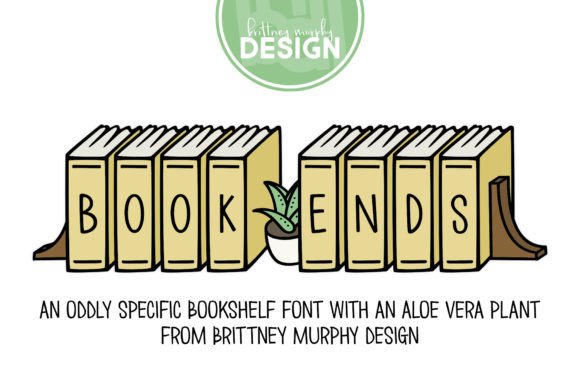
Book Ends is a distinctive font designed specifically for bookshelf layouts, offering a range of stylistic variations to enhance visual appeal. This font goes beyond traditional typography by incorporating elements that mimic physical bookends, making it a popular choice among designers and publishers looking for a creative touch in their projects.
What Is Book Ends?
Book Ends is a specialized font that features custom-designed book holders, allowing users to create the illusion of books on a shelf. The font includes several variations of book ends, such as potted plants and decorative elements, which can be used as fillers or as functional bookends. These unique features make it stand out from standard fonts, particularly in contexts where visual storytelling is important.
The font also includes special characters that serve as keys, guiding users on how to incorporate these elements effectively. This makes it not only a typographic tool but also a design resource that encourages creativity and experimentation.
Why Someone Might Be Interested in Book Ends
Designers, illustrators, and content creators who work with book-related themes may find Book Ends appealing due to its thematic consistency. Whether designing a website, creating a print layout, or developing digital content, this font offers a cohesive aesthetic that aligns with literary or educational themes.
Additionally, the font's versatility allows it to be used in both professional and personal projects. For instance, educators might use it to create visually engaging lesson plans, while independent authors could incorporate it into their book covers or promotional materials.
Benefits of Using Book Ends
One of the primary benefits of Book Ends is its ability to add visual interest without overwhelming the reader. The font’s design elements are subtle yet effective, making it suitable for a wide range of applications. Its unique characteristics can help differentiate a project from others, especially in competitive design environments.
Another advantage is the flexibility it provides. Users can choose from various book end styles, enabling them to tailor the look to match their specific needs. This adaptability makes it a valuable asset for designers who want to maintain a consistent theme across multiple formats.
Tradeoffs and Considerations
While Book Ends offers many advantages, it is important to consider potential limitations. The font’s specialized nature means it may not be ideal for all types of projects. For example, in situations where readability is paramount, such as in long-form text or technical documentation, a more conventional font might be more appropriate.
Additionally, the inclusion of special characters and design elements requires some understanding of how to implement them effectively. Users unfamiliar with advanced typographic features may need to invest time in learning how to use the font to its full potential.
Situations Where Book Ends Is a Strong Fit
Book Ends is particularly well-suited for projects that emphasize visual storytelling or thematic design. For instance, bookstores, libraries, or educational institutions may benefit from using this font to create a cohesive and inviting atmosphere. It can also be useful in marketing materials that aim to evoke a sense of nostalgia or intellectual curiosity.
In digital media, such as websites or social media posts, Book Ends can be used to create eye-catching headlines or section dividers. Its unique style can help draw attention and reinforce the theme of the content being presented.
Situations Where Alternatives May Be Worth Considering
For projects that prioritize simplicity or universal readability, alternative fonts may be more suitable. In cases where the primary goal is to convey information clearly and efficiently, a sans-serif or serif font with a clean, modern appearance might be preferable.
Additionally, users who require a broader range of typographic options may find that other fonts offer more flexibility. While Book Ends excels in its niche, it may not provide the same level of versatility as more general-purpose fonts.
Practical Decision-Making Insights
When deciding whether to use Book Ends, it is essential to evaluate the specific goals of the project. If the objective is to create a visually engaging and thematic design, then Book Ends can be an excellent choice. However, if the focus is on clarity and accessibility, a different font may be more appropriate.
It is also advisable to test the font in different contexts before committing to its use. Experimenting with various styles and layouts can help determine whether it meets the desired aesthetic and functional requirements.
Ultimately, the decision to use Book Ends should be based on a careful assessment of the project’s needs, the target audience, and the overall design vision. By considering these factors, users can make an informed choice that aligns with their goals and enhances the quality of their work.