Overtalk: A Modern Sans Serif Font for Timeless Design
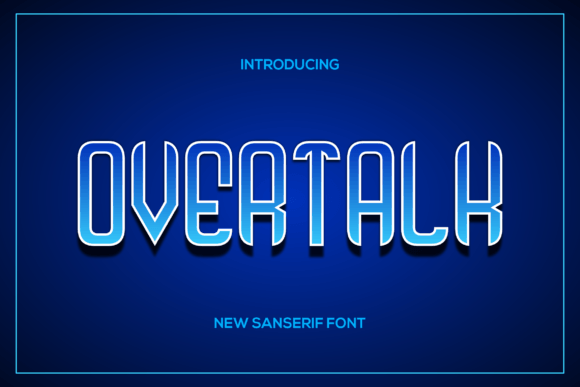
In a world where visual communication is more important than ever, the right font can make all the difference. Overtalk is a modern sans serif font that combines elegance with simplicity, making it a versatile choice for a wide range of design projects. Whether you're creating a book cover, designing social media content, or crafting an invitation, Overtalk offers a clean and minimalist aesthetic that stands out without overwhelming the viewer.
As digital platforms continue to shape how we interact with information, the demand for fonts that are both functional and visually appealing has grown. Overtalk meets this need by offering a balanced structure that enhances readability while maintaining a contemporary feel. Its subtle curves and uniform stroke width contribute to a sense of harmony that aligns with current design trends focused on clarity and user experience.
The Rise of Minimalist Design
Minimalism has become a dominant force in design, influencing everything from web layouts to branding strategies. This trend reflects a broader shift towards simplicity and efficiency, as users seek content that is easy to consume and visually uncluttered. Overtalk fits seamlessly into this movement, providing a typeface that supports clean, organized layouts without sacrificing style.
Designers and businesses alike are increasingly turning to minimalist fonts like Overtalk to create a strong visual identity that resonates with modern audiences. The font’s neutral yet sophisticated appearance makes it ideal for projects that require a professional tone, such as corporate communications, editorial work, or educational materials. Its adaptability ensures that it remains relevant across different mediums and applications.
Why Overtalk Stands Out
What sets Overtalk apart from other sans serif fonts is its attention to detail and balance. Unlike some fonts that prioritize boldness or uniqueness, Overtalk strikes a careful equilibrium between form and function. This makes it particularly well-suited for long-form text, where legibility is crucial. Its consistent letter spacing and open counters ensure that even large blocks of text remain easy to read.
Moreover, Overtalk’s versatility allows it to be used in both digital and print formats. For instance, a designer might use it for a magazine layout, where its clean lines complement the overall aesthetic, or for a social media post, where its modern look helps capture attention in a crowded feed. The font’s ability to maintain clarity at various sizes and resolutions further enhances its practicality.
Applications Across Industries
The appeal of Overtalk extends beyond the realm of graphic design. In the publishing industry, it can be used for book covers and chapter headings, offering a sleek alternative to more traditional typefaces. For marketers, Overtalk provides a professional look that can elevate campaign materials, from email newsletters to promotional banners.
Entrepreneurs and small business owners may find Overtalk useful for branding efforts, as it conveys a sense of modernity and reliability. Whether used in logos, packaging, or website copy, the font contributes to a cohesive brand image that aligns with contemporary expectations. Its clean design also makes it an excellent choice for educational content, where clarity and accessibility are paramount.
Designing with Overtalk
When working with Overtalk, it’s important to consider how the font interacts with other design elements. Pairing it with complementary typefaces or color schemes can enhance its impact. For example, using Overtalk for headings and a simpler sans serif for body text can create a layered visual hierarchy that guides the reader’s eye effectively.
Additionally, designers should experiment with different weights and styles to find the right tone for their project. Overtalk’s range of weights allows for flexibility in typography, enabling creators to emphasize key messages or establish a specific mood. This adaptability makes it a valuable tool for anyone involved in the creative process.
Future-Proofing Your Designs
As technology continues to evolve, so do the ways in which we engage with content. Overtalk’s design principles position it well for future developments in digital typography. Its emphasis on clarity and consistency ensures that it will remain effective across new platforms and devices, from mobile screens to augmented reality interfaces.
For professionals who want to stay ahead of the curve, incorporating Overtalk into their workflow can be a strategic choice. By selecting a font that aligns with current design sensibilities and future needs, creators can ensure that their work remains relevant and impactful over time.
Practical Tips for Using Overtalk
If you’re considering using Overtalk in your projects, start by testing it in different contexts. Try it out in a mock-up of a social media post or a sample brochure to see how it performs in real-world scenarios. Pay attention to how it looks at various sizes and against different background colors to ensure optimal readability.
Another tip is to use Overtalk in conjunction with other design elements that reinforce its strengths. For instance, pairing it with a neutral color palette can highlight its clean lines and minimalist appeal. Avoid overly decorative graphics that might compete with the font’s simplicity, as this can detract from its effectiveness.
Finally, don’t hesitate to consult with other designers or typography experts if you have questions about how to best utilize Overtalk. Their insights can help you unlock the full potential of the font and achieve the desired visual outcome for your project.
Conclusion
Overtalk represents a thoughtful approach to typography, blending modern aesthetics with practical functionality. Its minimalist design and versatility make it a valuable asset for designers, businesses, and creatives looking to enhance their visual communication. As the demand for clean, effective design continues to grow, Overtalk offers a reliable and stylish solution that meets the needs of today’s dynamic digital landscape.