Sportsball: A Bold, Versatile Font for Creative Expression
In a world where visual identity plays a crucial role in communication, fonts are more than just text—they’re a statement. Sportsball is a unique typeface that blends athleticism with creativity, offering designers and creators a fresh way to express themselves. Developed with a focus on practicality and personality, this font family stands out for its versatility and attention to detail. Whether you're working on a brand project, a marketing campaign, or a personal design, Sportsball provides the tools to make your work stand out.
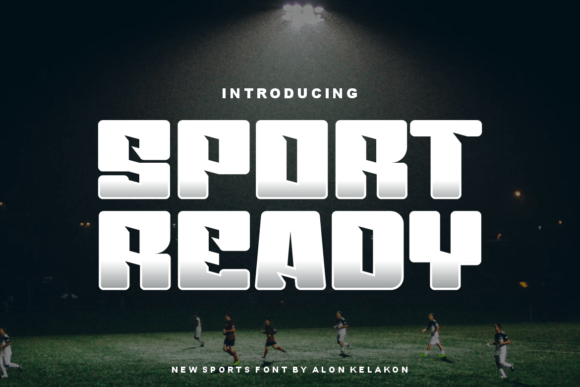
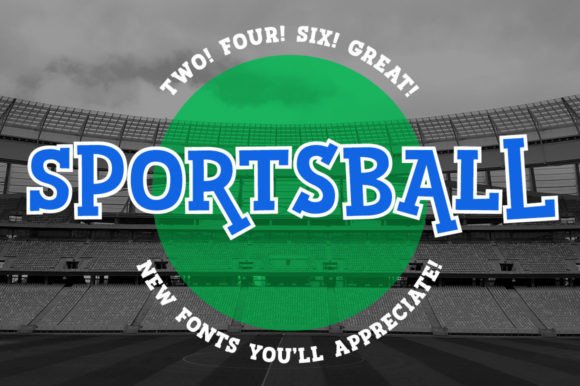
What makes Sportsball special is its ability to balance structure with spontaneity. The uppercase set is clean and functional, making it ideal for headings, logos, and signage. But it’s the lowercase characters that truly showcase the font's character. Each letter is designed with subtle variations—some taller, some wider, some with longer legs—allowing for dynamic and expressive typography. This mix-and-match approach gives users the freedom to create designs that feel alive and individualized.
The Evolution of a Unique Typeface
Creating a font isn’t just about drawing letters—it’s about understanding how they interact and function in real-world applications. When I started developing Sportsball, my goal was to craft a slab serif typeface that would cut smoothly for crafters and digital designers alike. By minimizing the number of node points, I ensured that the font would render cleanly across different mediums, from laser cutting to screen display. This technical consideration is especially important for those who rely on precision in their work.
But I wasn’t satisfied with just a single style. I wanted to explore how the same base could be adapted for different aesthetic needs. That led to the creation of three distinct versions: the original slab serif, a sans-serif variant, and hollowed-out alternatives. Each style serves a different purpose, giving users more options to match their creative vision. The retro western flair added to the slab serif version, for instance, brings a nostalgic energy that can elevate everything from t-shirt designs to event branding.
The addition of spurs to the sides of the letters was a deliberate choice. It adds a playful, rugged edge that sets Sportsball apart from more traditional typefaces. Meanwhile, the sans-serif version offers a cleaner, more modern look, perfect for digital interfaces or minimalist designs. And the hollow styles provide another layer of flexibility, allowing for two-color designs that can add depth and contrast without complicating the layout.
Why Sportsball Matters in Today’s Design Landscape
Typography is constantly evolving, shaped by changing trends, technological advancements, and shifting user preferences. In recent years, there’s been a growing demand for fonts that offer both functionality and personality. Sportsball fits into this trend by providing a balance between structure and creativity. It’s not just a font—it’s a tool that empowers designers to experiment and innovate.
This shift is driven by several factors. For one, the rise of digital platforms has made it easier for independent designers to share their work with a global audience. As a result, there’s more competition for attention, and unique typefaces like Sportsball can help brands and creators stand out. Additionally, the increasing emphasis on personalization in design means that users are looking for fonts that allow for customization and expression.
Another key factor is the growing interest in handmade and artisanal aesthetics. Many designers are drawn to fonts that have a tactile quality, even if they’re used digitally. Sportsball’s clean lines and thoughtful details reflect this trend, offering a blend of craftsmanship and modernity. Its adaptability also makes it suitable for a wide range of projects, from print materials to web graphics.
Practical Applications for Designers and Businesses
For professionals in fields such as graphic design, branding, and marketing, Sportsball offers a range of practical benefits. Its clear uppercase set makes it ideal for headlines and logos, while the varied lowercase characters allow for more engaging and dynamic text. This flexibility is especially useful when working on projects that require a strong visual identity, such as packaging, posters, or social media content.
Businesses looking to establish a distinctive brand voice can also benefit from Sportsball. Whether it’s a sports apparel company aiming for a bold, energetic look or a boutique shop wanting to convey a sense of personality, this font can help shape the right impression. Its retro western elements, for example, might appeal to a target audience that values nostalgia and authenticity.
For hobbyists and independent creators, Sportsball provides an accessible way to enhance their projects. The hollow versions, in particular, open up new possibilities for layered designs, making it easier to experiment with color and contrast. This can be especially useful for DIY enthusiasts, illustrators, and artists who want to add a unique touch to their work.
Adapting to Modern Workflows and User Expectations
As design workflows become more integrated with digital tools, the need for fonts that work seamlessly across platforms is more important than ever. Sportsball is optimized for use in both print and digital environments, ensuring that it maintains its integrity regardless of the medium. This adaptability is essential for designers who work on multi-channel projects, from websites to physical products.
User expectations are also shifting toward more personalized and interactive experiences. Fonts play a key role in this, as they influence how content is perceived and engaged with. Sportsball’s variety of styles allows for greater customization, enabling designers to tailor their work to specific audiences or contexts. This level of control is particularly valuable in an era where attention spans are short and differentiation is key.
Moreover, the trend toward sustainability in design has influenced how fonts are created and used. Sportsball’s efficient design, with fewer nodes and clean outlines, supports this movement by reducing file size and improving performance. This makes it a more eco-friendly choice for digital projects, aligning with broader industry goals.
Recommendations for Using Sportsball Effectively
To get the most out of Sportsball, consider the following tips:
- Experiment with mixing styles: Combine the slab serif with the sans-serif or hollow versions to create visually interesting contrasts.
- Use the lowercase for emphasis: The unique variations in the lowercase set can add personality to body text or subheadings.
- Layer hollow and solid versions: This technique works well for creating two-color designs that stand out without overwhelming the viewer.
- Test in different contexts: Ensure the font looks good in both large and small sizes, and across various backgrounds and colors.
By taking these steps, users can unlock the full potential of Sportsball and create designs that are both functional and expressive. Whether you’re a seasoned designer or just starting out, this font family offers something for everyone.
Ultimately, Sportsball represents a thoughtful approach to typography—one that values both form and function. It’s a reflection of the evolving design landscape, where creativity and practicality go hand in hand. As more people seek ways to stand out in a crowded market, fonts like Sportsball will continue to play a vital role in shaping the visual language of the future.